
Attic Mold Removal
Roof leaks, poor ventilation, and bathroom exhaust issues drive attic mold. We remove growth and address the source to help prevent recurrence.
Learn moreProfessional mold remediation for homes and businesses throughout Raleigh, Cary, Apex, Wake Forest, and surrounding communities. We identify the moisture source, remove contamination, and help prevent mold from returning.
Serving Raleigh, Cary, Apex, Wake Forest, Holly Springs, Garner, Morrisville & Rolesville
Local. Experienced.
Our Raleigh-based team has technicians trained in Water Damage Restoration (WRT) and Applied Microbial Remediation (AMRT). We have completed hundreds of mold remediation projects across Wake County using industry-standard containment, moisture detection, and safe removal protocols.
Mold poses a significant risk and can thrive in areas with recent water damage or persistent moisture. In Raleigh homes and commercial spaces, mold can infest a property within 48 hours, spreading through invisible spores released into the air. Mold requires moisture and oxygen to grow, entering properties through windows, vents, HVAC systems, or on clothing and pets.
Given its potential to produce allergens and irritants that affect indoor air quality, suspecting mold warrants a prompt inspection. Our certified mold remediation professionals have the training, equipment, and expertise to remediate mold infestations—from mold inspection and assessment through containment, mold removal, antimicrobial treatment, and restoration.
Don't delay. Call at the first sign of visible mold for immediate mold remediation and mold mitigation in the Raleigh area.
Step 1
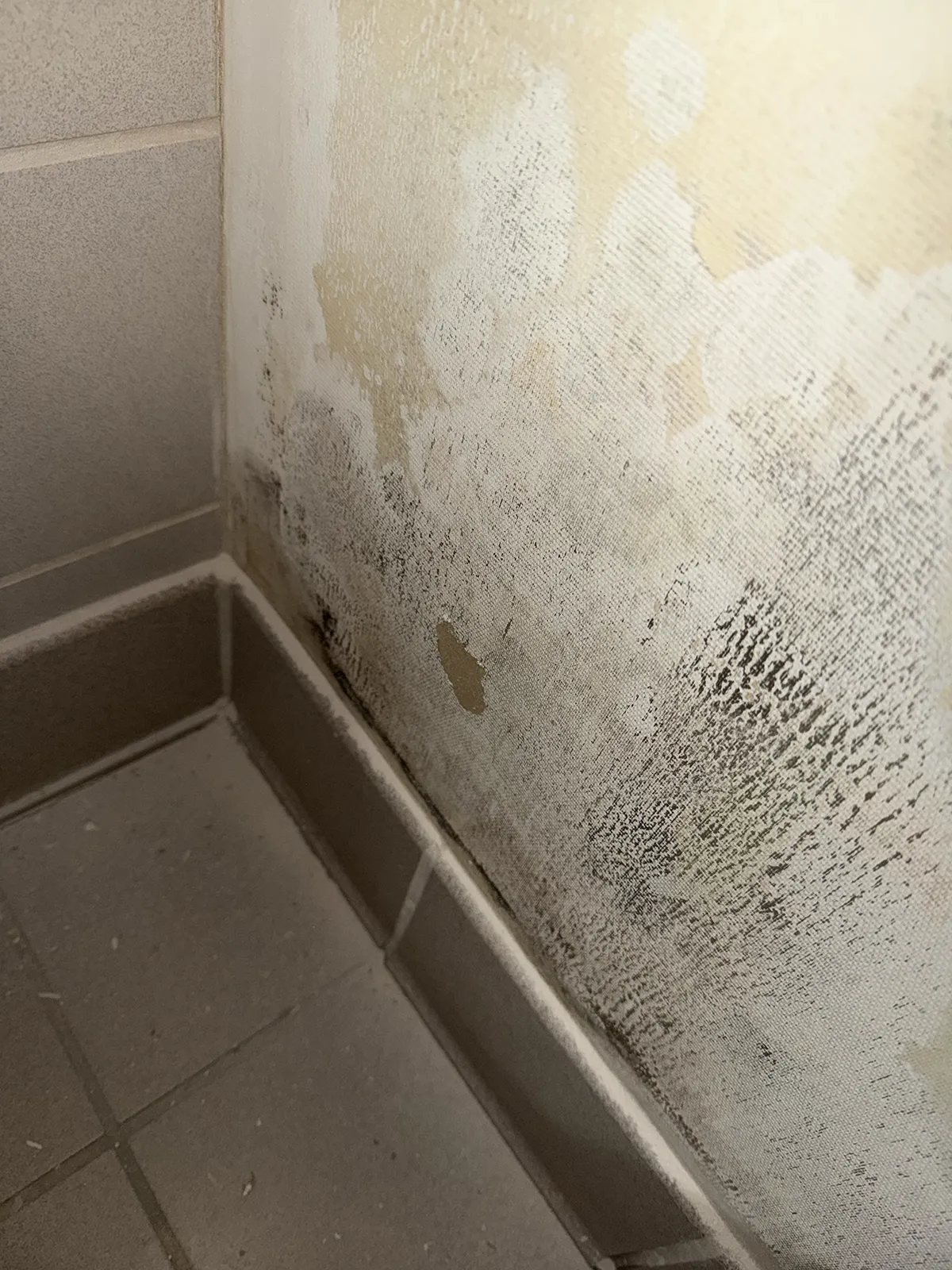
If mold is visible, there is often additional hidden contamination behind surfaces that requires professional mold assessment. Disturbing mold without proper containment spreads spores and often makes the problem worse. Schedule a mold inspection to assess the full scope.
Step 2
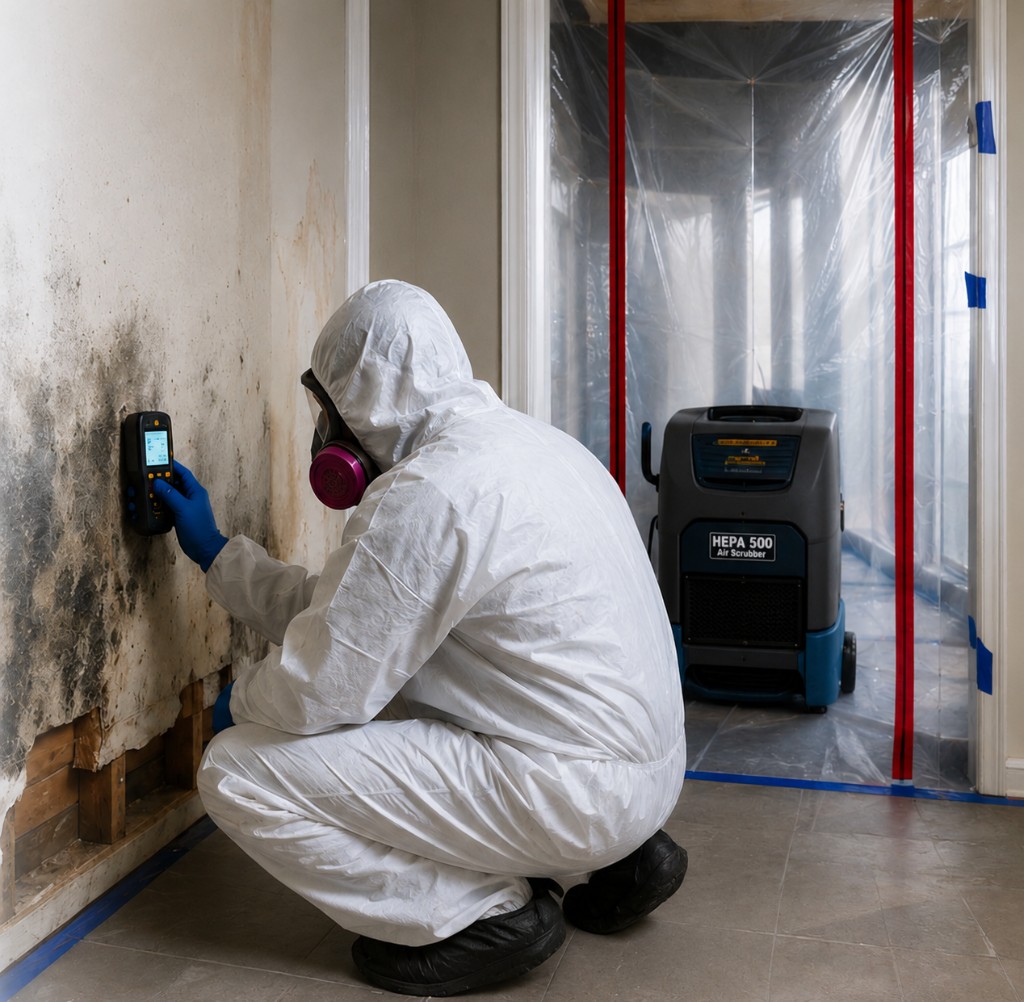
Every remediation project starts with a thorough inspection. We assess visible mold, map hidden moisture, and document affected areas before removal begins—using the same HEPA containment, antimicrobial treatment, and moisture-control protocols on every job.
From attics and crawl spaces to HVAC systems and post-water damage sites, we locate contamination and the moisture source behind it—not just what shows on the surface.
A professional inspection gives you a clear plan before mold removal starts. Schedule a same-day mold inspection.
Step 3
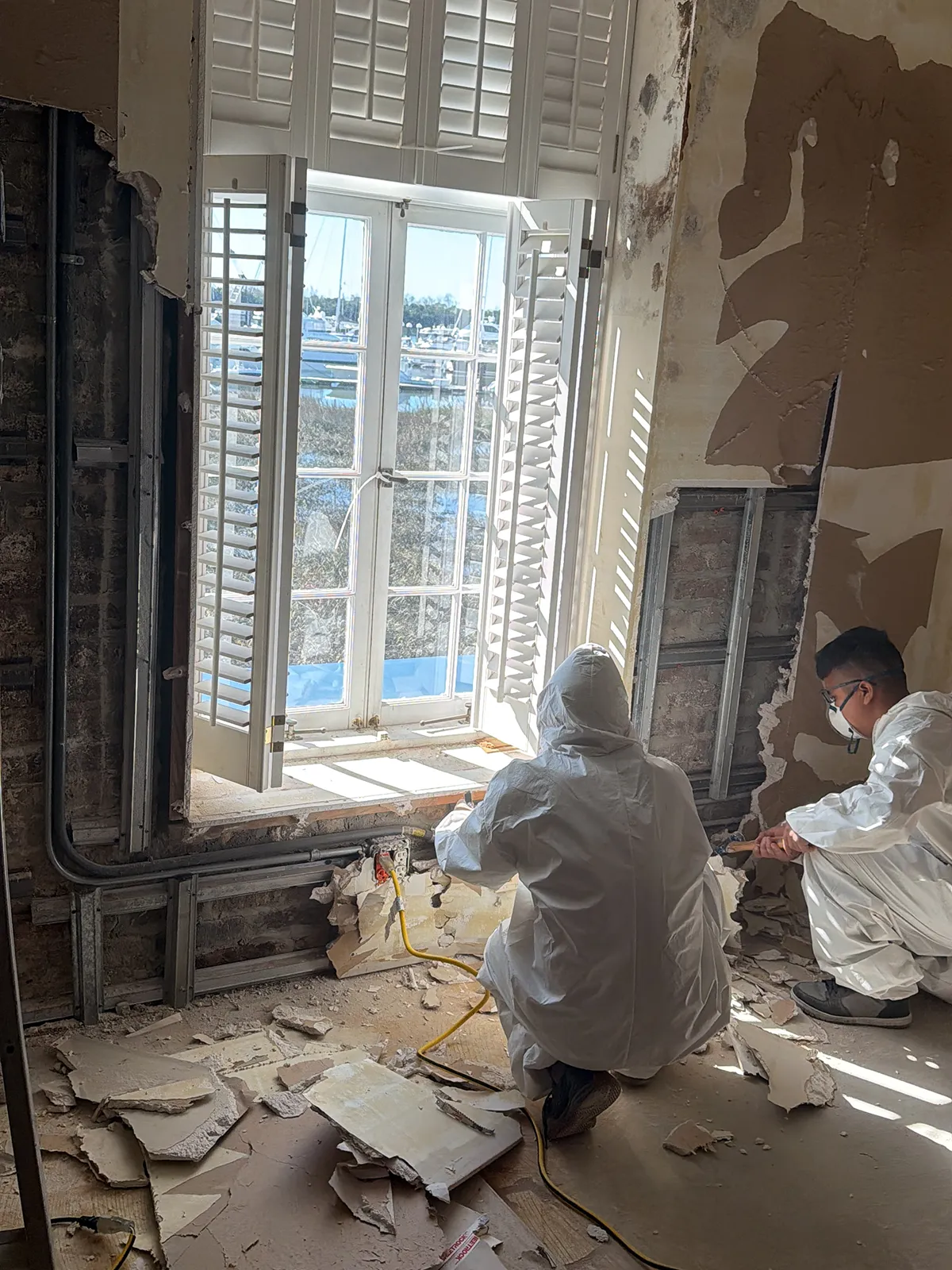
Summit remediates mold for Raleigh homes and businesses using industry-standard containment, HEPA filtration, and antimicrobial treatment. We identify the moisture source, remove contamination safely, and recommend solutions to help prevent it from returning.
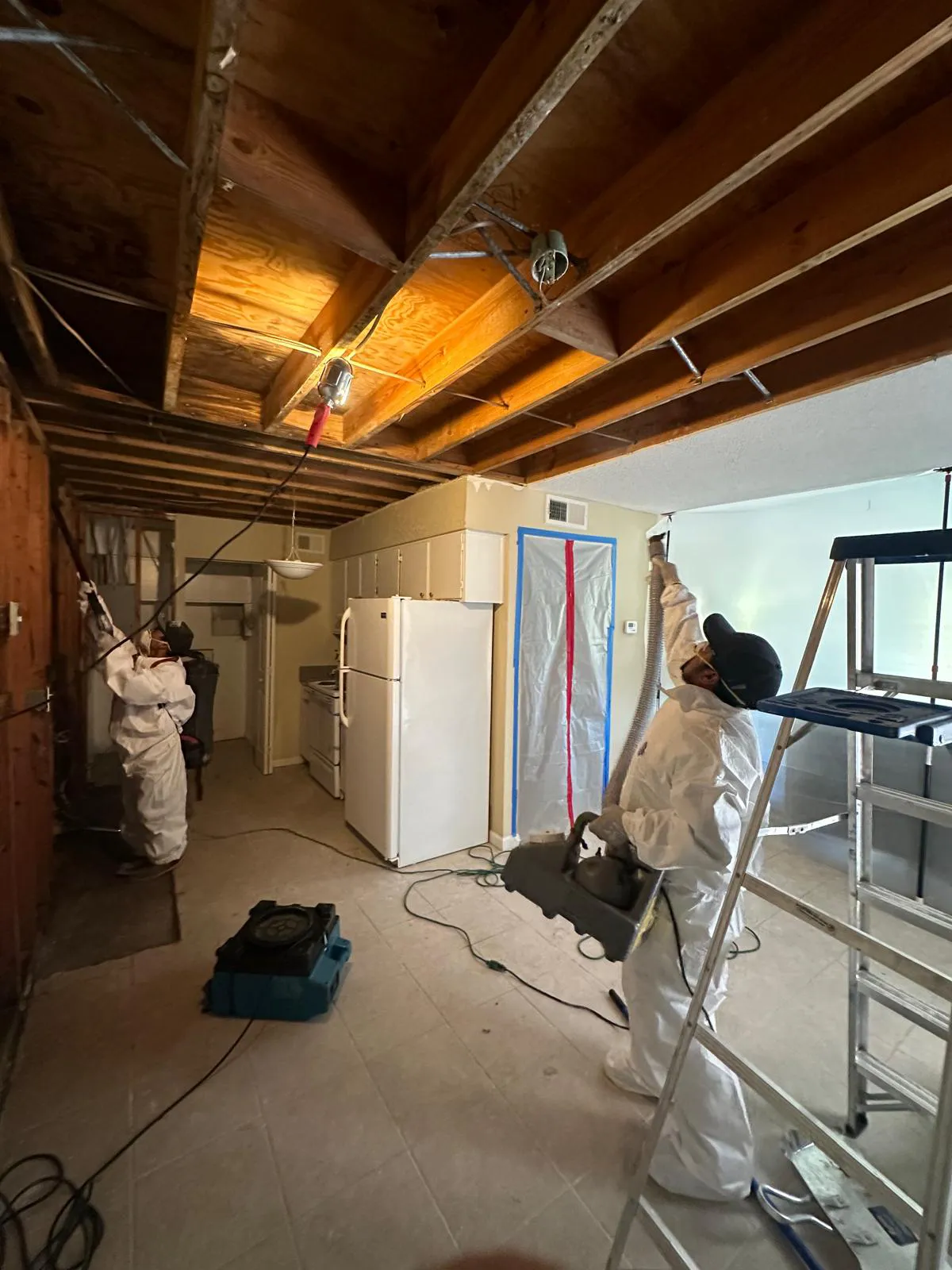
Roof leaks, poor ventilation, and bathroom exhaust issues drive attic mold. We remove growth and address the source to help prevent recurrence.
Learn more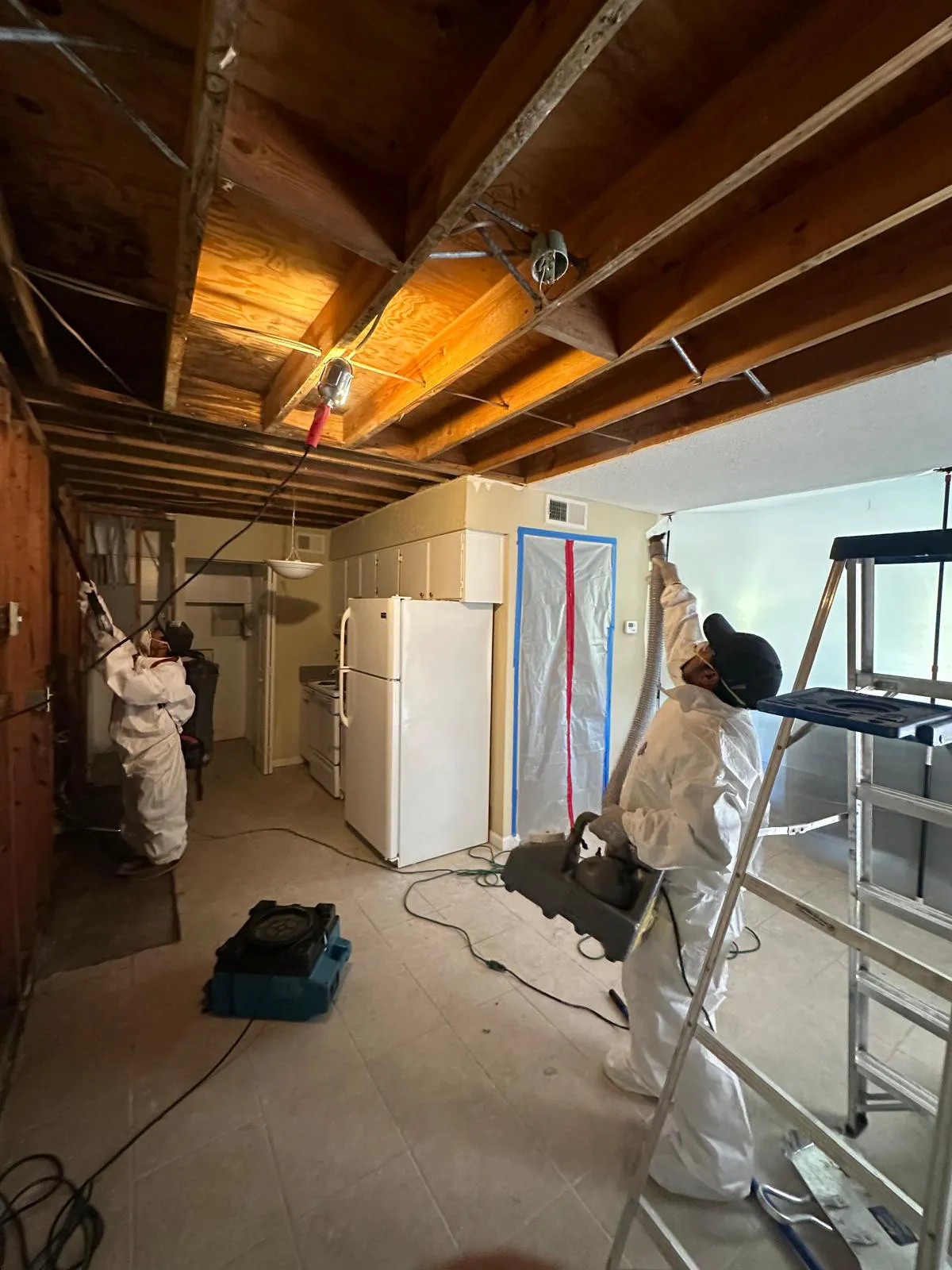
Humid crawl spaces promote mold on joists, subfloors, and insulation—a common issue in Raleigh. Encapsulation helps control moisture after remediation.
Learn more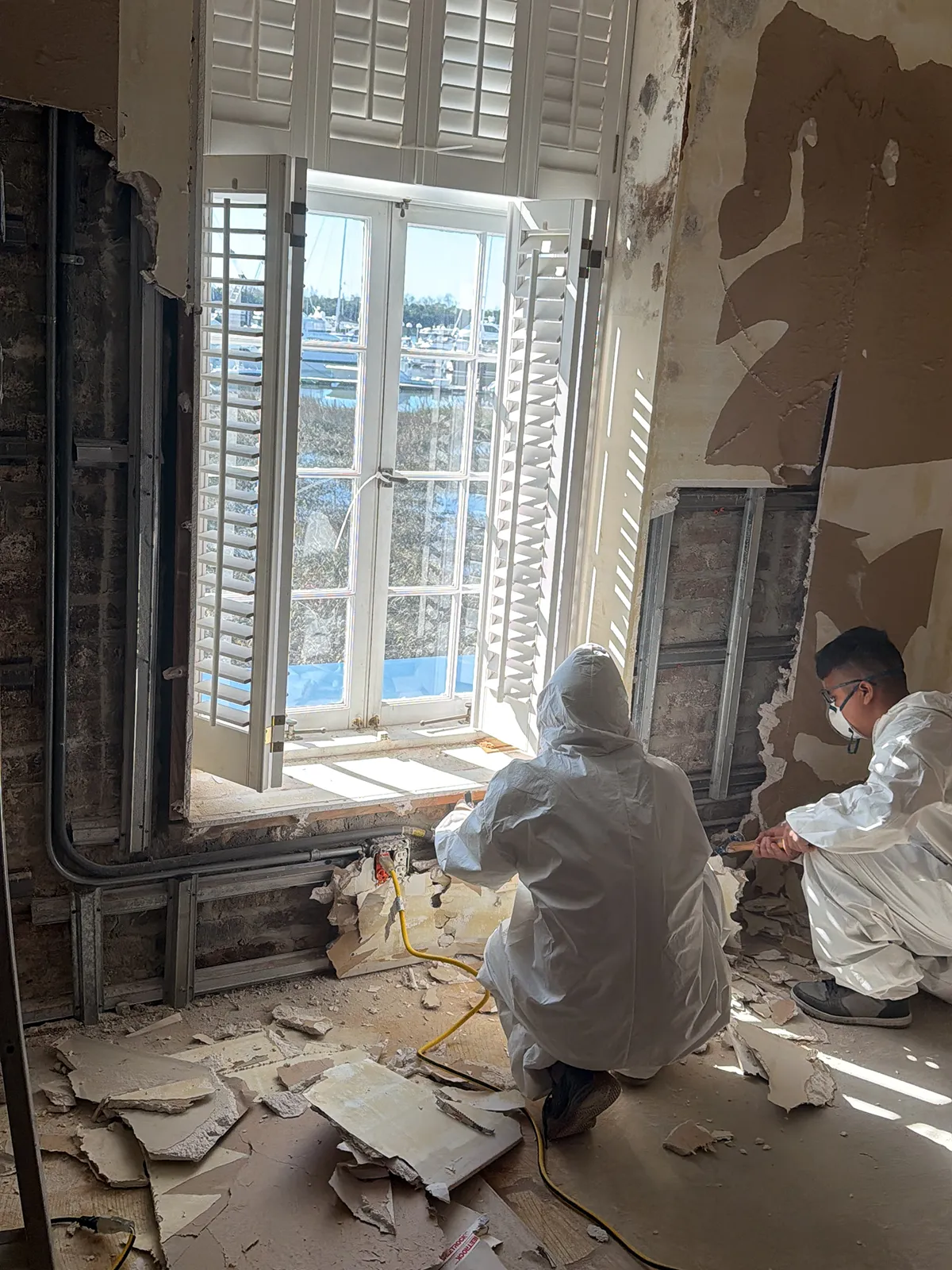
Water intrusion, foundation seepage, and flooding make basements especially vulnerable. Remediation protects structure and indoor air quality.
Learn more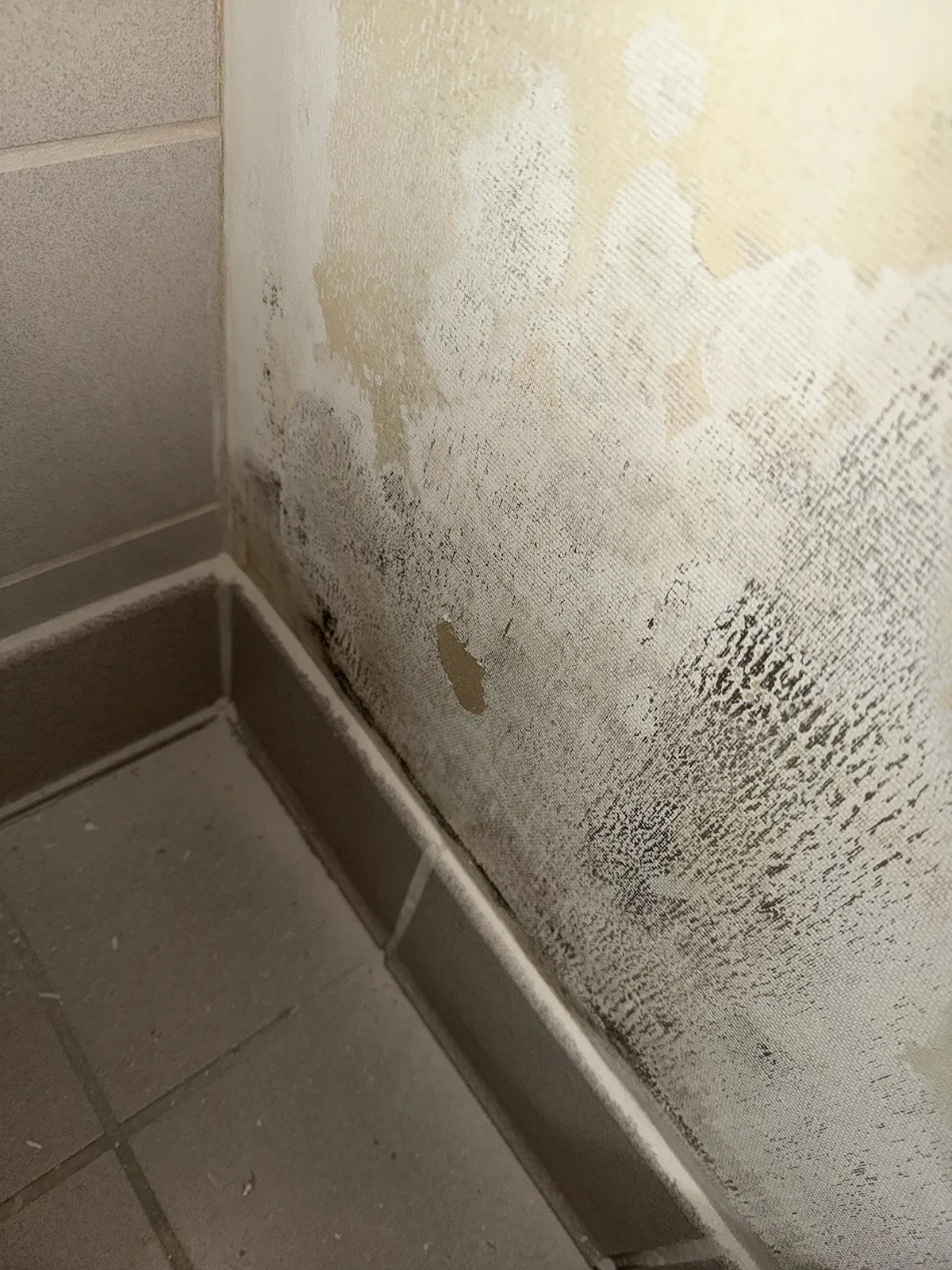
Mold in ducts and air handlers spreads spores through your entire home. We inspect, clean, and remediate affected HVAC components.
Learn more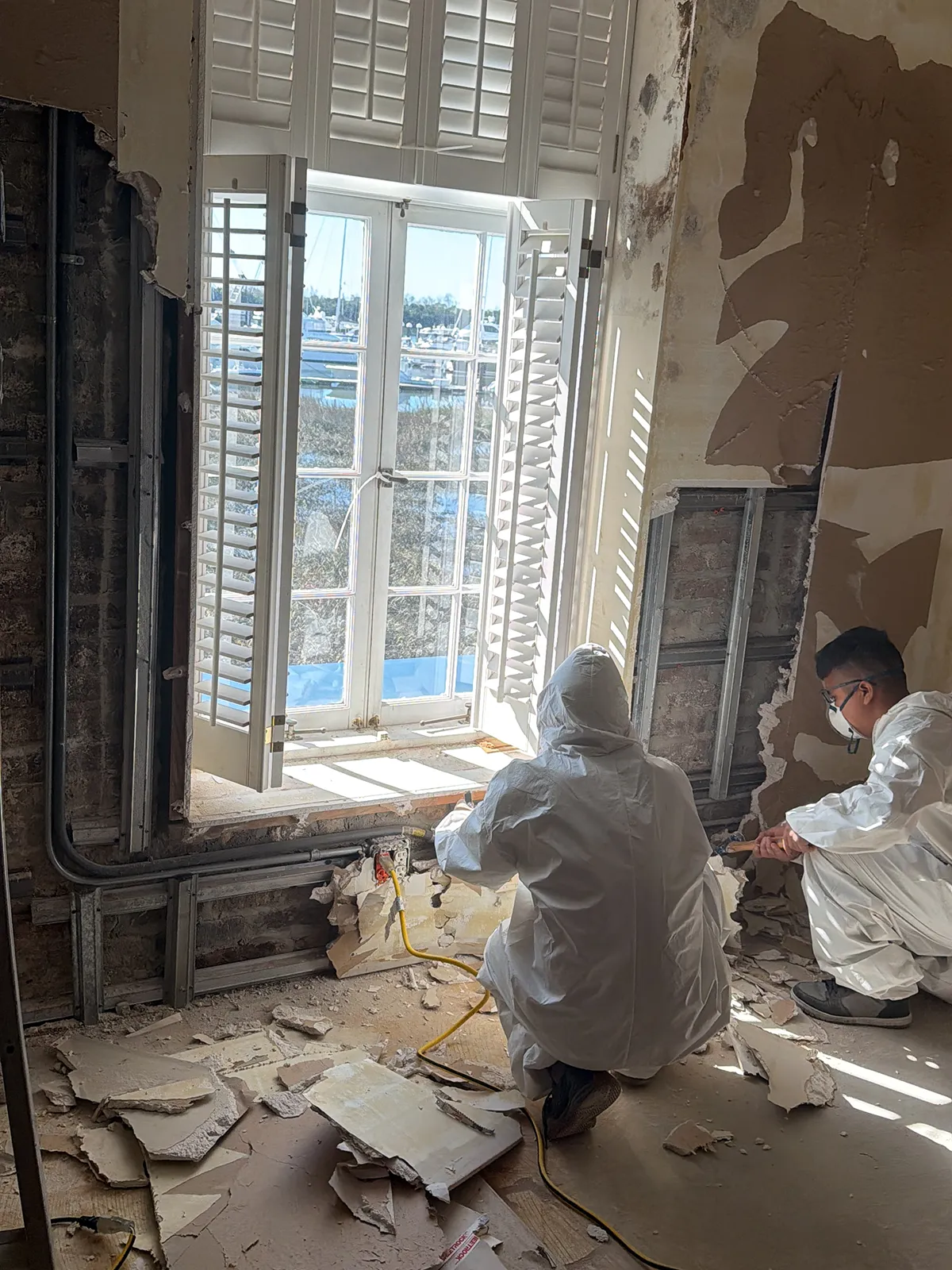
Mold spreads quickly in offices, apartments, schools, and retail spaces. We coordinate remediation to minimize disruption for property managers and businesses.
Learn more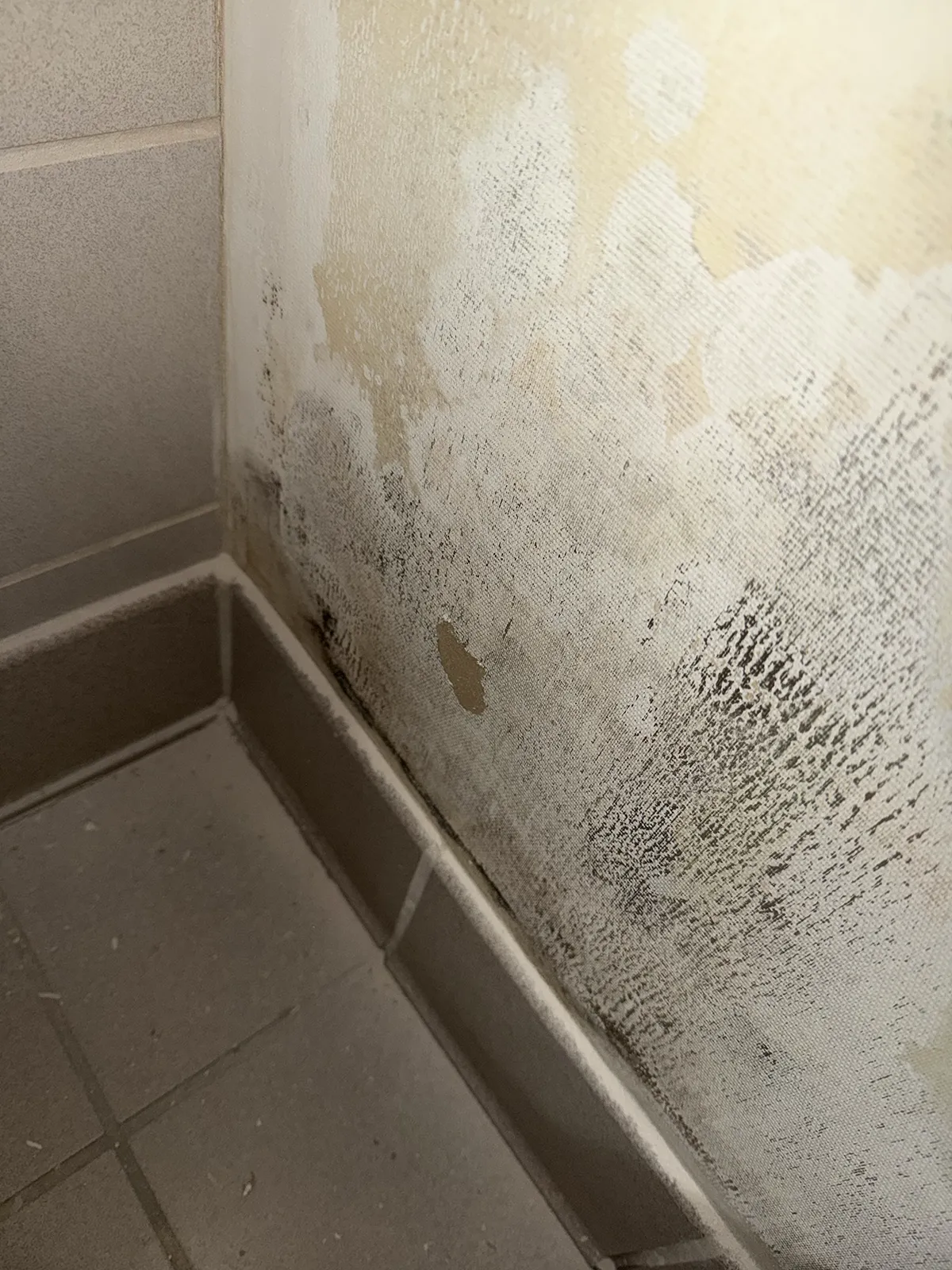
Mold follows water within 24–48 hours. We pair drying and remediation after floods, pipe bursts, storm damage, and roof leaks.
Learn moreRaleigh's humid subtropical climate is ideal for mold. Hot summers push moisture into crawl spaces and attics, while thunderstorms and roof leaks bring sudden water intrusion. Mold can start within 48 hours of a leak—often before a stain appears on the ceiling.
Crawl spaces are the most common source in older Wake County homes. Vented crawl spaces pull humid outdoor air underneath, promoting mold on joists and subfloors. Attic mold typically follows roof leaks or poor ventilation. Professional crawl space and attic mold removal addresses both contamination and the moisture that caused it.
HVAC condensation is another frequent trigger—clogged drain lines and failing duct insulation send moisture into air handlers and duct runs, spreading spores every time the AC runs. Storm damage to roofs and gutters sends water into wall cavities long before interior damage is visible. Fast water damage restoration limits how far mold spreads.
Whatever the source, effective remediation starts with finding and fixing the moisture problem. Our Raleigh team understands local construction, climate patterns, and the building practices common across Wake County.
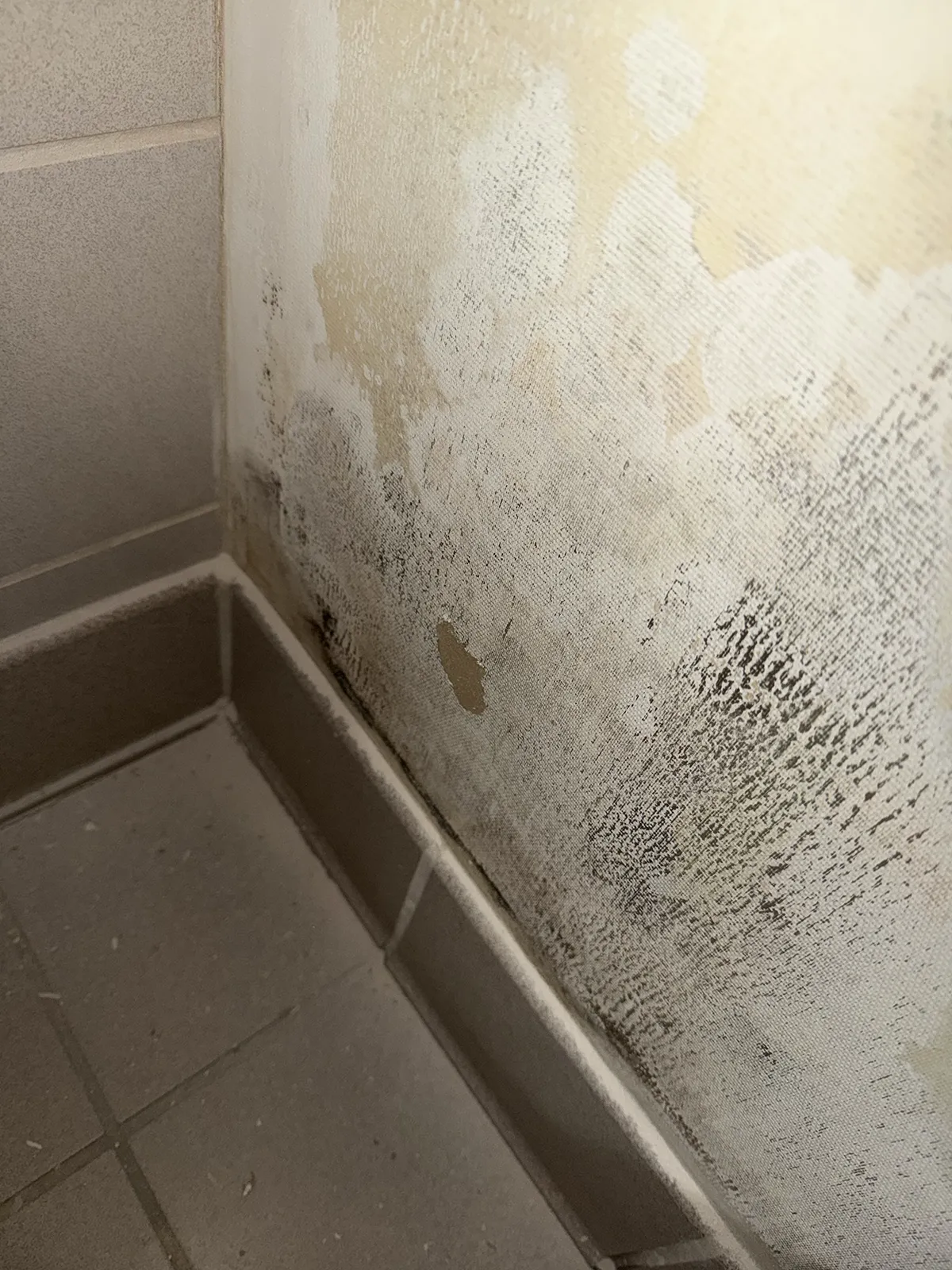
Many companies focus only on removing visible mold—a approach that leaves the underlying problem untreated.
Successful mold remediation requires identifying the conditions that allowed mold growth in the first place. Common root causes include:
Without correcting these conditions, mold frequently returns. True mold mitigation treats the cause—not just the symptom. Crawl space encapsulation, attic insulation, and duct cleaning are common long-term solutions.
Process Steps
We begin with a thorough visual inspection of your property, documenting visible mold growth, water stains, and areas of concern to determine the full scope of contamination.
Advanced moisture meters, thermal imaging, and humidity measurements locate hidden water intrusion behind walls and under flooring—the moisture sources that allow mold to thrive.
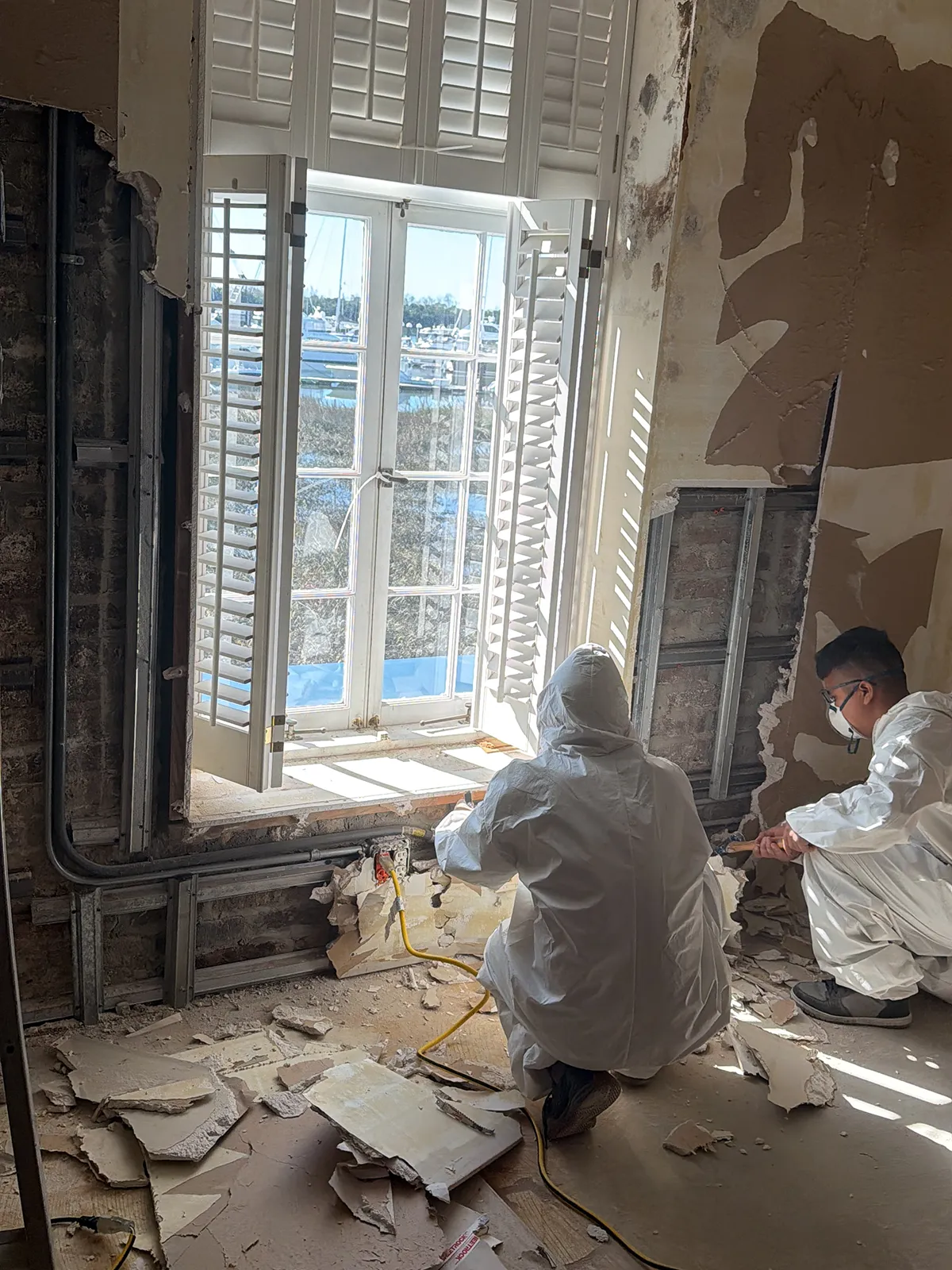
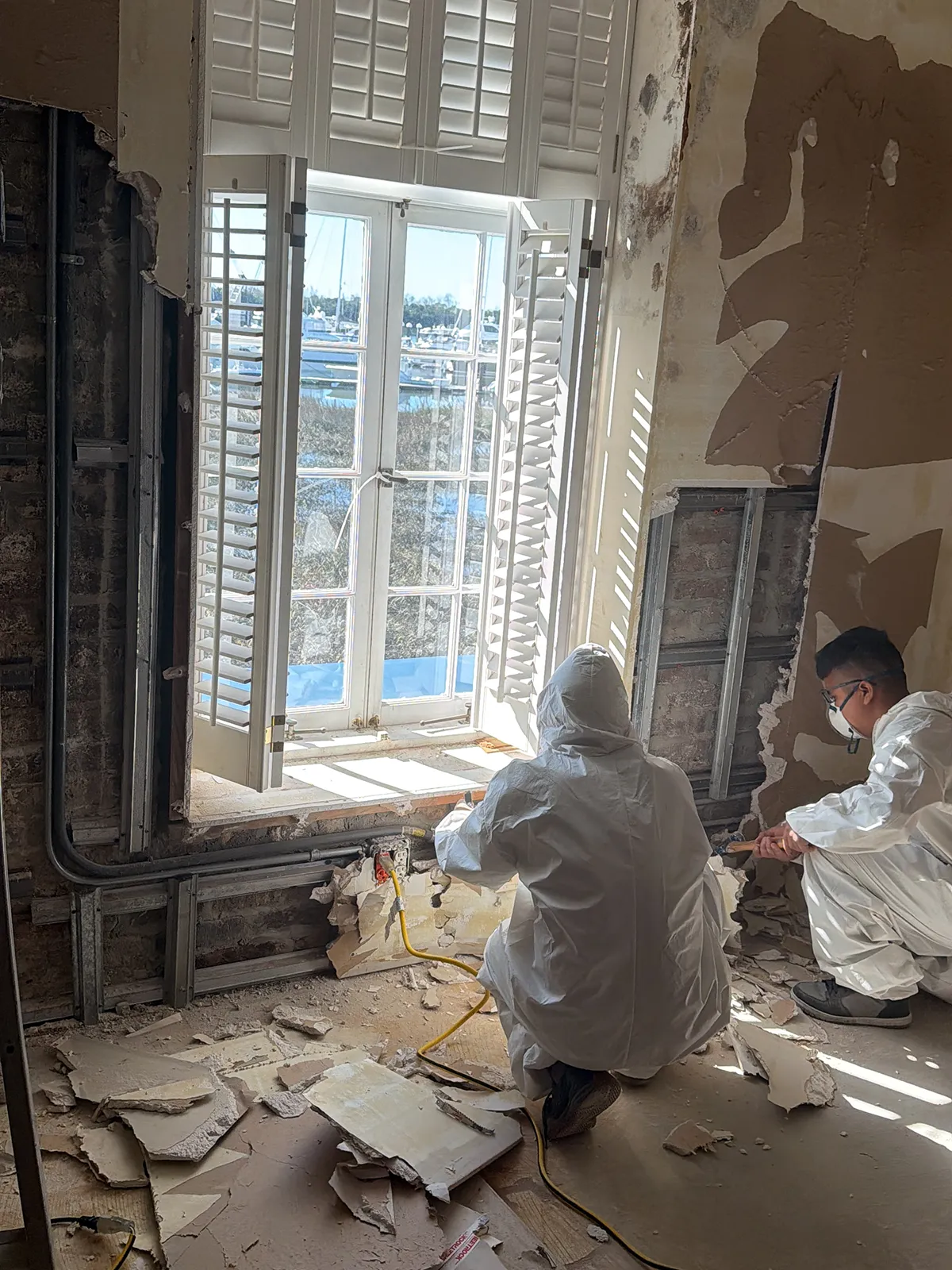
Containment barriers, negative air pressure systems, and controlled access zones prevent spores from spreading to unaffected areas during remediation.
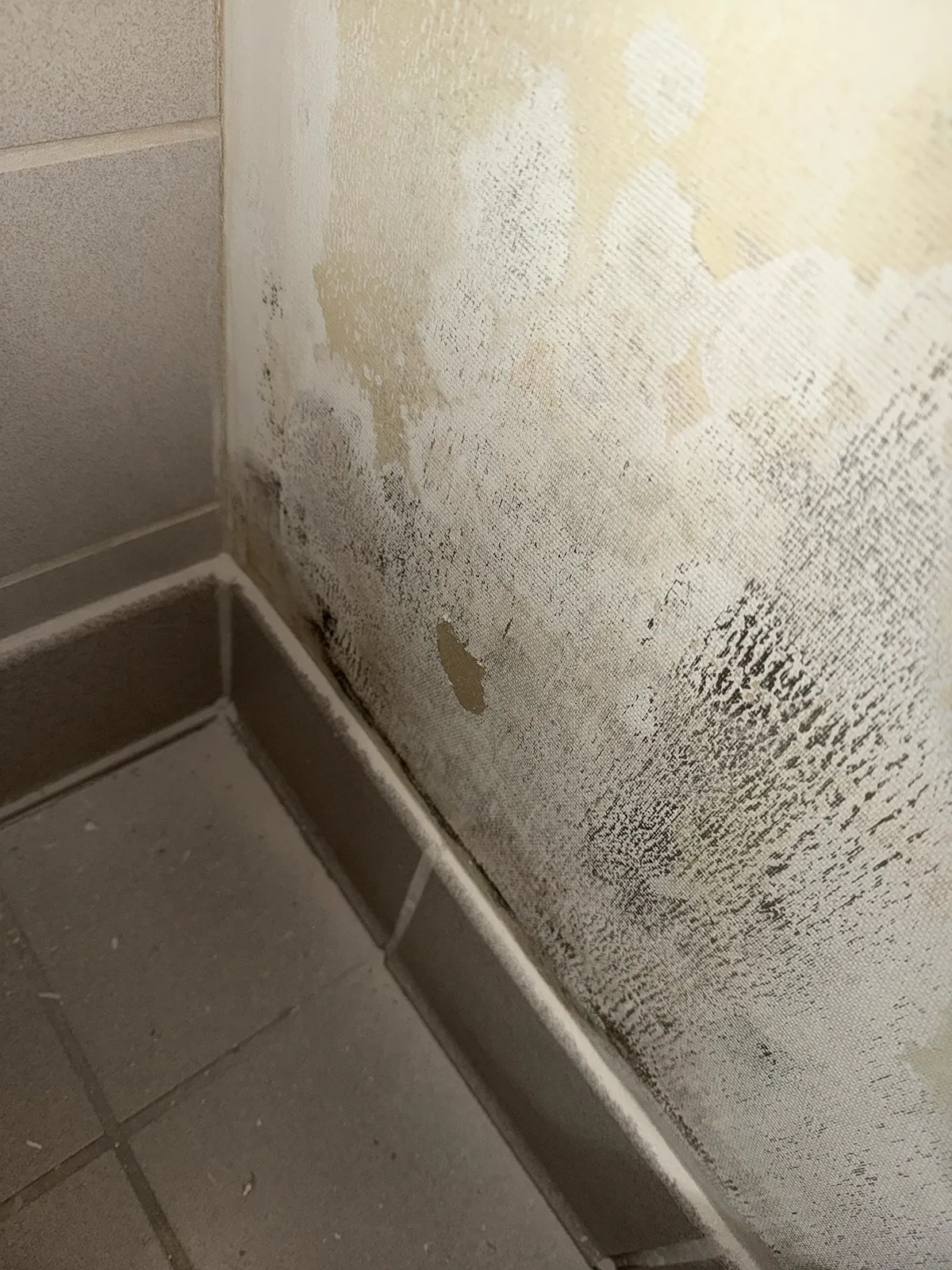
Industrial-grade HEPA air scrubbers capture microscopic mold spores from the air during remediation, improving indoor air quality and minimizing cross-contamination.
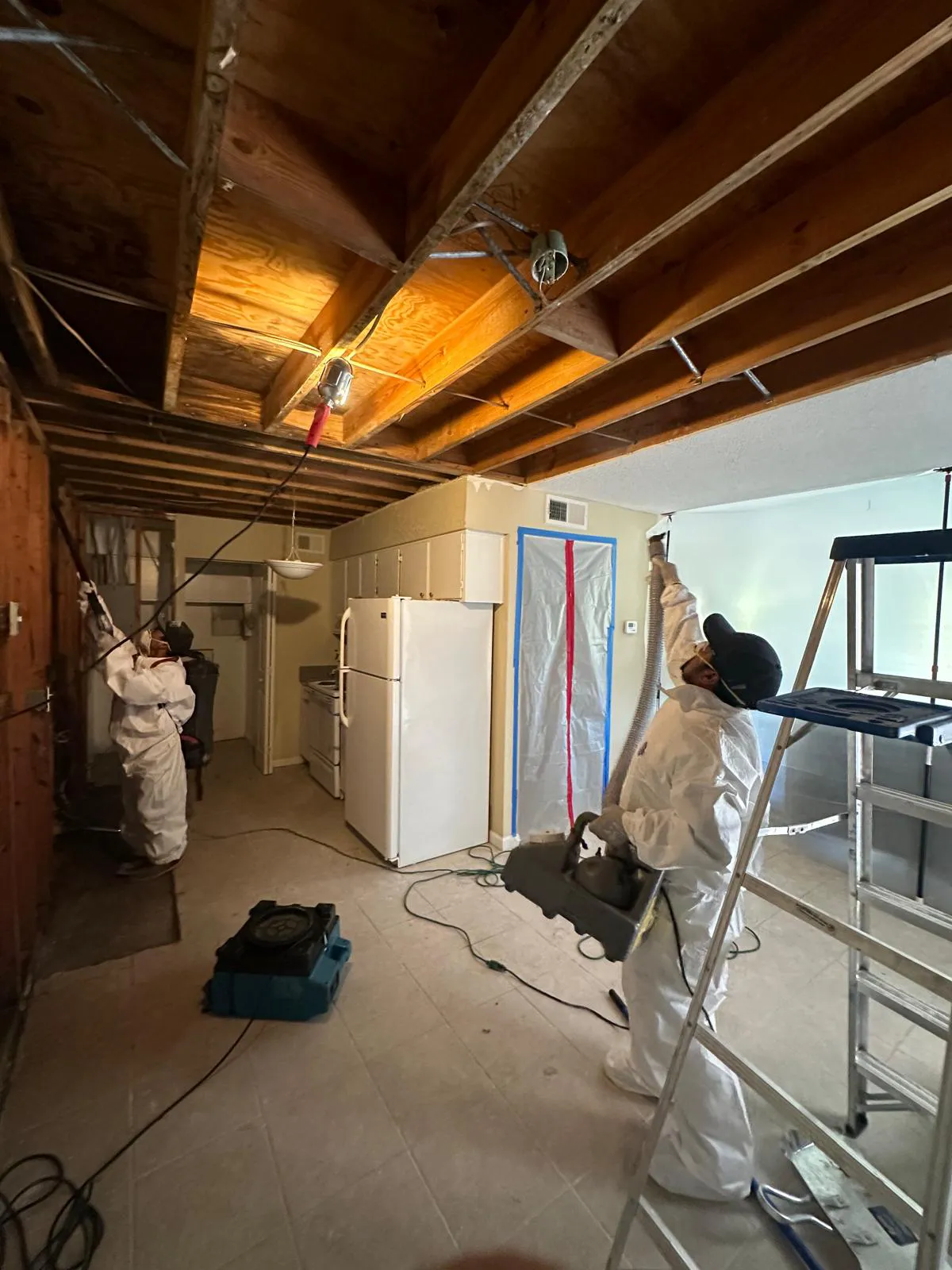
Porous mold-infested materials—including drywall, insulation, carpet, and ceiling materials—are safely removed and disposed of when they cannot be salvaged.
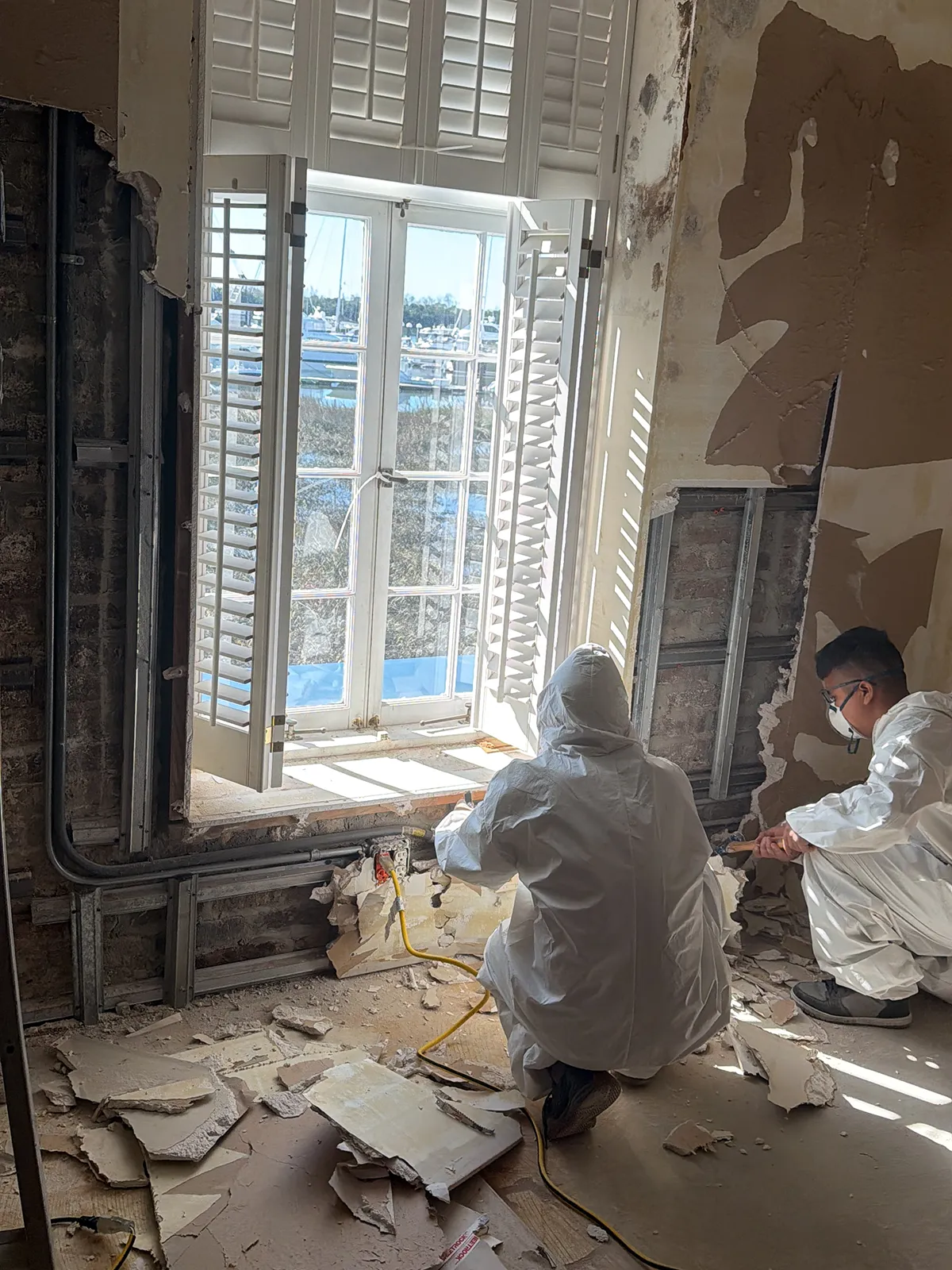
Structural elements affected by mold—flooring, framing, fixtures, and HVAC components—are professionally cleaned and treated with antimicrobial solutions.
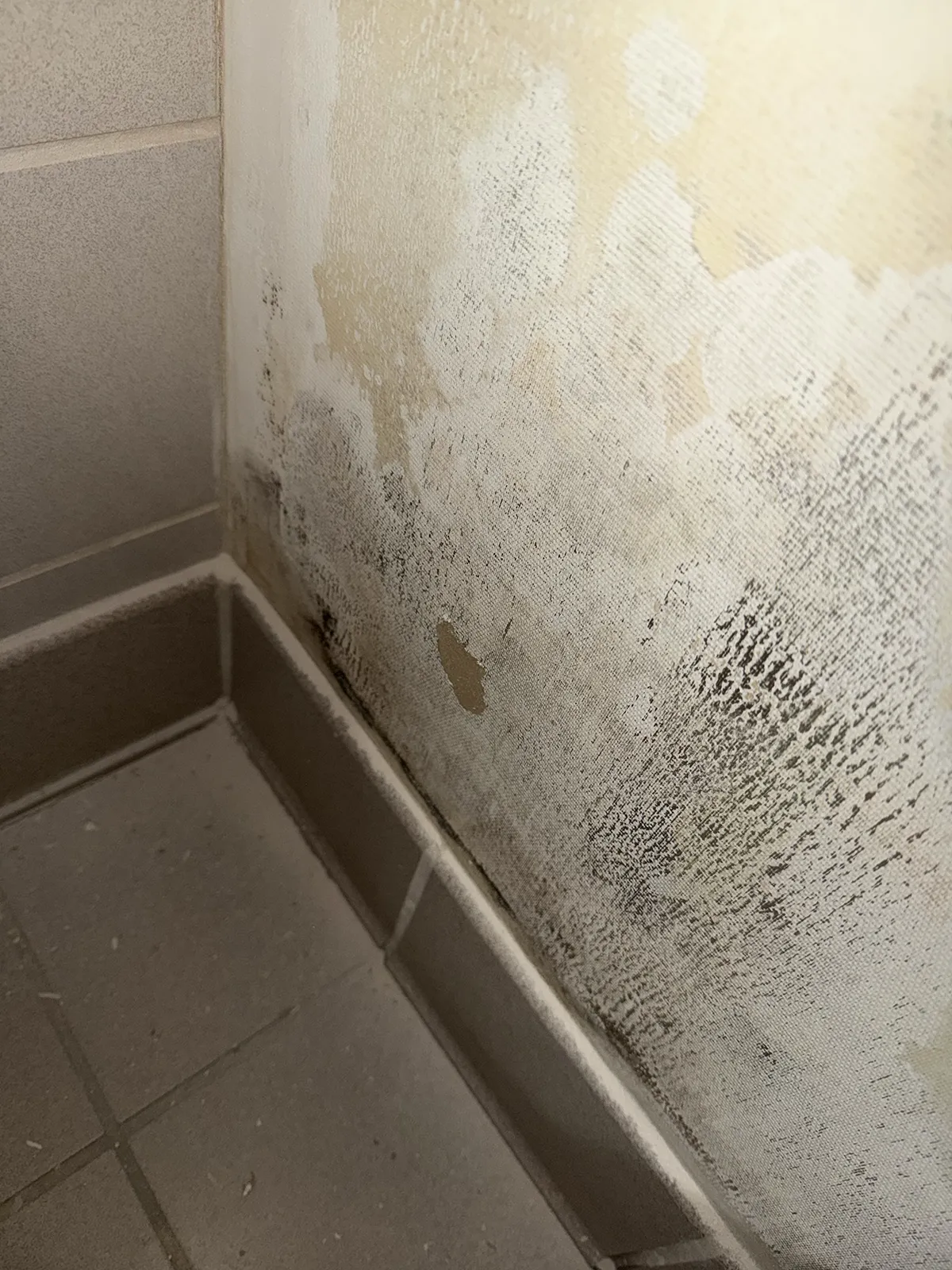
A final inspection confirms the affected area has been properly cleaned, dried, and restored. We verify moisture levels are within acceptable ranges before closing out the project.
Why Summit
With hundreds of completed mold projects across Wake County, we deliver remediation that addresses both contamination and the moisture conditions that caused it—backed by IICRC-certified technicians and professional-grade equipment on every job.
Certified Firm with technicians trained in Water Damage Restoration (WRT) and Applied Microbial Remediation (AMRT) following IICRC S520 standards
Schedule a mold inspection the same day you call—we respond quickly when mold is suspected
Industrial HEPA filtration captures 99.97% of particles down to 0.3 microns, removing mold spores from the air during active remediation
Pin and pinless moisture meters, thermal imaging, and humidity analysis locate hidden water intrusion behind walls and under flooring
Integrated water damage restoration and mold remediation for leaks, floods, and storm damage
Local technicians who understand Raleigh climate, building practices, and common mold sources
Our goal is not simply removing visible mold—we focus on helping property owners create long-term solutions that reduce the likelihood of future contamination.
Testimonials
Reviews from customers who used our mold remediation and water damage restoration services.